Volunteer at a Buddhist Monastery
As a Volunteer at a Buddhist Monastery
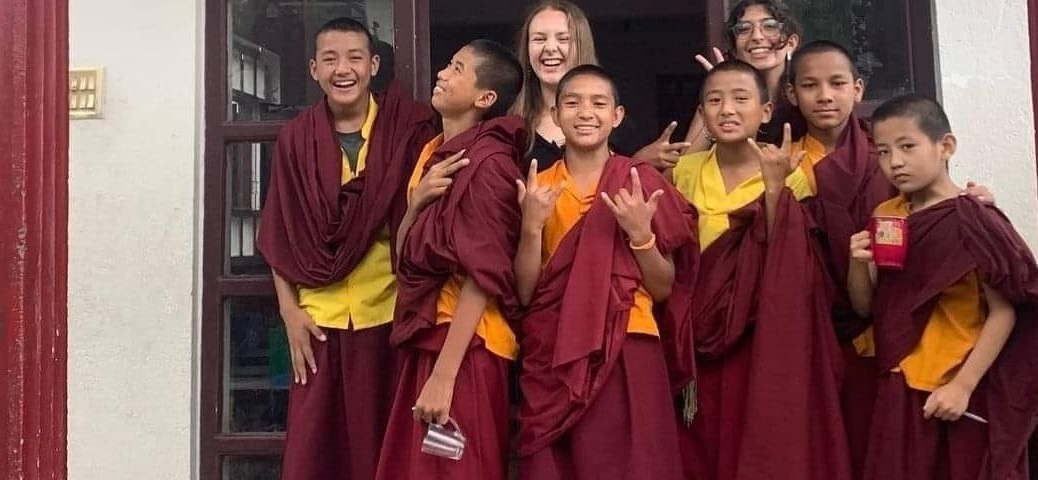
- You will be instructing English to young Buddhist monks aged 5 to 17, with the support of a Lopon, or Buddhist master.
- You can anticipate conducting 3 to 4 classes daily, with each session lasting approximately one hour.
- Additionally, you will arrange enjoyable extracurricular activities such as singing, indoor games, dancing, drawing, and more.
- Mornings and late evenings will be free, providing a wonderful opportunity to observe monastery rituals and engage in meditation and prayer ceremonies.
- Volunteering at a Buddhist monastery in Nepal presents a unique opportunity to immerse yourself in Buddhist culture while promoting personal and spiritual growth.
- By teaching English to the young monks, you are enhancing their lives and equipping them with the vital skills to share their message of peace and acceptance with the world.
Overview
Table of Contents
Volunteer at a Buddhist Monastery in Nepal: An Immersive Journey
Have you ever imagined yourself wandering through the serene and esteemed halls of a traditional Buddhist monastery? Would you be keen on helping young monks learn English, thus allowing them to convey their timeless message of peace to the world?
Although the majority of the population in Nepal adheres to Hinduism, this mesmerizing country located in the breathtaking Himalayan mountains is, in reality, the birthplace of Buddhism. With its elaborate temples and sacred monasteries that draw spiritual seekers and pilgrims from around the globe, Nepal offers a fascinating, deep glimpse into authentic Buddhist culture.
The Background of Tibetan Communities in Nepal
Thousands of Tibetans reside in exile across India, Nepal, and Bhutan. Among these exiles, around 20 percent live in Nepal, where they enjoy the freedom to practice their religion, preserve their heritage, and reclaim their cultural identity. Consequently, many large and influential monasteries have established themselves in the peaceful mountainous regions surrounding Kathmandu, where devoted monks dedicate their entire lives to the study and practice of Buddhism. To learn more about the rich history of Buddhist sites in the Kathmandu Valley, you can read the guide on UNESCO World Heritage Sites in Nepal.
Empowering Young Monks Through Education
In light of modern globalization and various technological advancements, there is a significant surge of interest and enthusiasm among young monks to learn English. Given the current shortage of qualified English instructors within the monasteries, international volunteers are perfectly positioned to bridge this gap. By choosing to volunteer at a Buddhist monastery in Nepal, you will provide vital English lessons to these young monks, enabling them to disseminate their teachings and philosophical insights more broadly across an interconnected world.
Your Impact and Daily Experience
When you decide to volunteer at a Buddhist monastery in Nepal, you will engage in a truly transformative cross-cultural exchange. Daily duties involve instructing young monks aged 5 to 17 with the guidance and support of a Lopon, or Buddhist master. You can expect to conduct 3 to 4 classes daily, with each session lasting approximately one hour, focusing on conversational skills, reading, and interactive learning.
Outside of formal instruction, volunteers can organize fun extracurricular activities such as drawing, indoor games, singing, and dancing. Mornings and late evenings remain free, offering a rare, tranquil opportunity to observe authentic monastery rituals, join daily prayer ceremonies, and practice meditation.
Practical Preparation and Cultural Etiquette
Living and working inside a traditional monastery requires respect for local customs and monastic rules. Volunteers are expected to dress modestly, covering shoulders and knees at all times. Being mindful of personal conduct and following the daily rhythm of the monastery ensures a harmonious experience for both you and the monastic community.
Additionally, volunteers can combine their volunteering journey with exploring the majestic surroundings of Nepal. Check out our Nepal Tours or experience spiritual trails through our Trekking in Nepal packages to make the most of your travel journey.
This meaningful program will profoundly affect both the monks’ lives and those who aspire to learn the foundational principles of Buddhism from them. Reach out to Social Journey Nepal today to discover more about the unique opportunity to volunteer at a Buddhist monastery in Nepal as an English teacher and cultural guide!